Tailored Senior Care Services: Your Advocate in Aging Gracefully
Personalized elderly support programs play a essential role in assisting older adults as they advance in age. These options concentrate on individual needs and requirements, delivering important help that boosts both independence and well-being. With options spanning from companionship to expert health care, families often encounter difficulties in choosing the suitable strategy. Comprehending the multiple facets of customized care can lead in major gains in quality of life for seniors. What elements should one consider when picking a health provider?
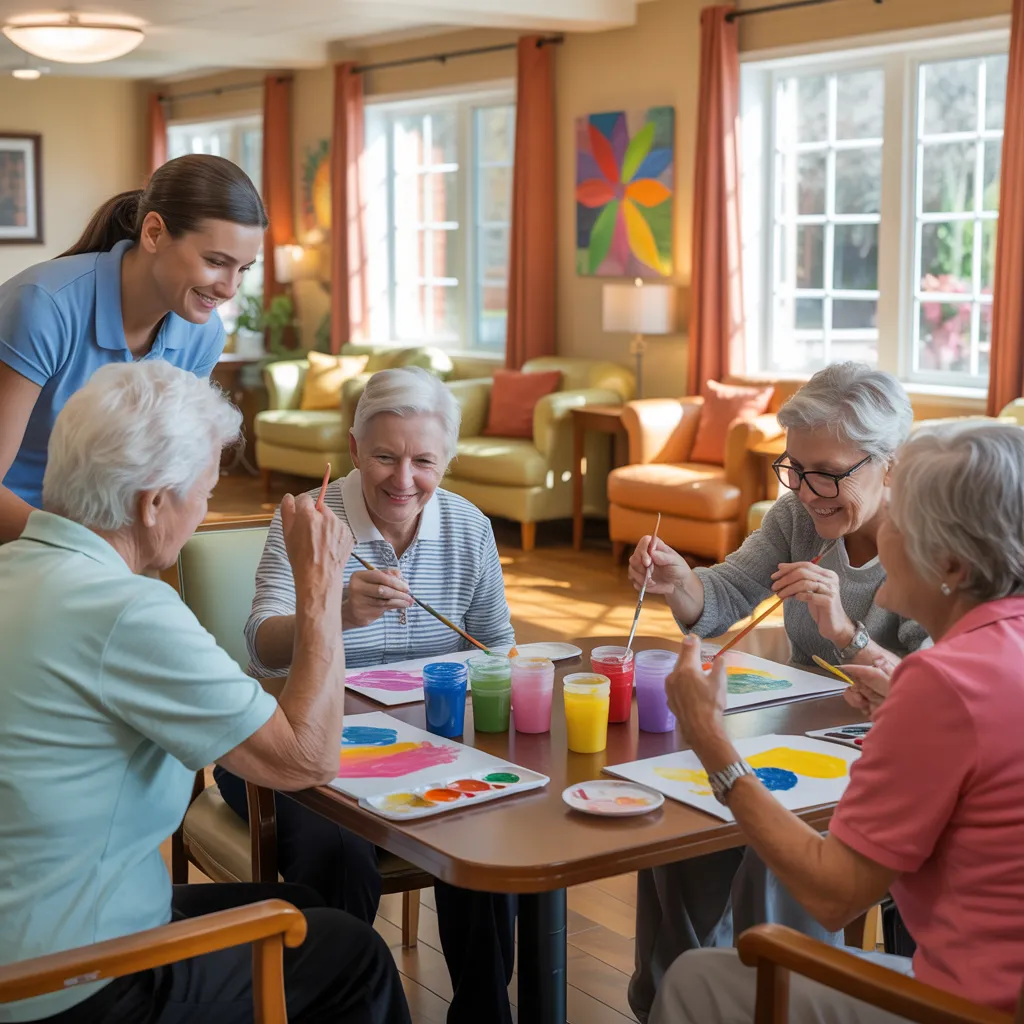
Learning About Personalized Elderly Care Services
Personalized assistance can include support with everyday tasks, wellness monitoring, and companionship, all developed to support autonomy and honor. By giving attention to the individual, caregivers can encourage a sense of community and fulfillment, which is necessary for psychological health. Moreover, these programs often modify as time progresses, meeting the changing requirements of elderly individuals. This flexibility makes possible periodic evaluation and refinement, confirming that care remains suitable and effective. Ultimately, personalized senior care involves enhancing the complete quality of life of older adults in a respectful and compassionate fashion.
Categories of Individualized Senior Assistance Options
Personalized senior care offerings encompass a variety of choices tailored to address personal requirements. Primary types feature in-home care services that deliver support within the comfort of one's home, as well as targeted medical care developed for specific medical conditions. These services work to improve the standard of living for seniors, ensuring they receive the suitable assistance.
Residential Support Options
As households aim to assure their loved ones receive the optimal care, various domiciliary care choices emerge to satisfy assorted needs. Companion care services furnish emotional support and social interaction, helping seniors combat loneliness while assisting with daily activities. Health aides concentrate on hygiene and mobility support, warranting safety and comfort in a familiar environment. For those requiring more assistance, domestic services render help with household tasks such as cleaning, cooking, and laundry, allowing seniors to sustain their independence. Care respite affords interim relief for primary caregivers, offering much-needed breaks while preserving continuity of care. Each option highlights personalized attention, allowing families to pick the level of support that aligns with their loved one's unique requirements.
Expert Health Care
Traversing the intricacies of aging often necessitates specialized health services customized to meet the unique medical needs of seniors. These services encompass a range of offerings, such as geriatric assessments, chronic disease management, and physical therapy. Geriatric assessments evaluate an individual's overall health, spotting specific needs and interventions. Chronic disease management focuses on conditions like diabetes or heart disease, supplying ongoing support and education to ensure ideal health outcomes. Physical therapy helps seniors regain mobility and strength, boosting their quality of life. Additionally, mental health services address emotional well-being, providing counseling and support groups. By combining these specialized services, seniors can navigate their health journeys with greater assurance and support, ultimately promoting a more graceful aging process.
Vital Advantages of Tailored Senior Care
Personalized elderly support delivers considerable advantages by utilizing person-specific treatment plans that fulfill unique needs. This tailoring not only promotes improved health results but also strengthens the quality of life for seniors. By concentrating on the personal choices and requirements of each senior, tailored care establishes a caring atmosphere ideal for health and wellness.
Bespoke Individual Care Frameworks
A growing collection of aged care organizations are recognizing the critical value of bespoke care approaches, which attend specifically to the distinct individual requirements and preferences of each individual. These individualized strategies examine various factors, including medical history, physical capabilities, and emotional well-being, ensuring that care is not only effective but also considerate toward the senior's lifestyle and wishes. By involving family members and caregivers in the strategic planning, these services nurture a collective strategy that elevates satisfaction and compliance. In addition to this, tailored essential guide care plans can develop, accounting for changes in changes in health status or personal preferences, thereby providing ongoing support. This personalized focus helps seniors sustain independence while receiving the care they require, ultimately fostering more substantial and rewarding experiences.
Improved Standard Of Life
Numerous research highlight that personalized senior care considerably improves the quality of life for older adults. By focusing on individual needs, preferences, and lifestyles, these services encourage physical, emotional, and social well-being. Tailored care plans can lead to better health outcomes, as they often include customized nutrition, exercise, and medication management. Additionally, personalized attention fosters meaningful relationships between caregivers and seniors, reducing feelings of isolation and loneliness. This supportive environment promotes active engagement in daily activities, enhancing mental stimulation and overall happiness. Ultimately, personalized senior care not only addresses medical needs but also enriches the emotional and social dimensions of aging, allowing older adults to thrive and maintain their dignity.
Picking the Correct Senior Care Company
In what manner can relatives ensure they choose the most suitable senior care provider for their loved ones? The process begins with thorough research. Families should assess candidate facilities based on credentials, expertise, and services offered. Reading online reviews and customer feedback can provide useful information into the quality of care.
Following this, organizing interviews allows families to pose specific questions, making certain that the provider's values and methods correspond with their family member's needs. It is vital to examine the care setting's environment and staff interaction, as these components significantly impact the standard of service.
Furthermore, verifying valid credentials and certifications can help families determine the provider's credibility. Comprehending the pricing model and accessible payment plans is equally important to prevent unforeseen costs. In the end, selecting a elderly care organization should require a combination of extensive research and personal connection, guaranteeing that the chosen provider supports the loved one's well-being and dignity.
Improving Independence and Protection for Seniors
In addition, technology represents an important function in promoting independence. Devices including medical alert systems and home monitoring solutions facilitate seniors to direct their daily activities with confidence. Individualized care programs, adjusted to individual needs, further facilitate seniors in enjoying hobbies and social engagements, building a sense of purpose.
In addition, caregivers extend assistance managing daily tasks while encouraging seniors to engage as fully as they can. This blend of support and agency not only heightens safety but also strengthens self-esteem, ultimately contributing toward a more enriching and autonomous lifestyle for seniors.
Success Narratives: How Bespoke Care Made a Difference Lives
Tailored support has demonstrated transformative results for many older adults, showing the profound impact that personalized assistance can have on their quality of life. A notable example of this triumph is a 78-year-old woman called Margaret, who faced difficulties with mobility and loneliness. After joining a personalized support initiative, she received help that featured customized exercise plans and social engagement activities. Over the course of months, Margaret regained strength and confidence, making it possible for her to participate in local happenings.
Similarly, John, a 72-year-old veteran with memory challenges, gained advantages through one-on-one mental engagement exercises tailored to his interests. His caregiver incorporated familiar themes from his military service, encouraging meaningful conversations and decreasing anxiety.
These examples show how individualized attention not only addresses unique requirements but also improves psychological health. By customizing services to each senior's distinct needs, support workers can greatly improve quality of life, allowing elderly adults to age gracefully and with honor.
Popular Queries Asked Often
In What Ways Are Bespoke Service Plans Constructed for Elderly Individuals?
Bespoke service plans for aged individuals are developed through rigorous evaluations, encompassing reviews of medical needs, inclinations, and daily needs. Collaborating with medical staff, caregivers, and the aged individuals themselves secures personalized support that promotes vitality and dignity.
What Qualifications Are Essential for Care Professionals to Provide Individualized Services?
Caregivers should possess appropriate credentials, such as CPR and first aid, alongside specialized training in elderly care. Empathy, communication skills, and expertise with diverse health conditions are essential for delivering effective personalized services.
What Ways Can Families Remain Involved in the Care Process?
Families can remain engaged in the care process by participating in conferences, maintaining consistent communication with care providers, taking part in care planning, and participating in activities with their loved ones, fostering a collaborative and supportive environment for elderly individuals.
What Emergency Guidelines Are in Place for Older Adults Obtaining Assistance?
Emergency protocols for seniors receiving care consist of immediate access to healthcare assistance, established contact systems for care providers, routine safety drills, and customized crisis plans adapted to individual medical needs and choices, ensuring timely responses during crises.
Is Individualized Senior Care Services Covered in Insurance?
Older adult care support options that are personalized may be partially paid by insurance, relying on the policy. Coverage often varies by provider and certain services necessary, so people should consult with their insurance coverage for detailed information with respect to qualification standards and available benefits.